Introduction
In the world of cryptocurrency, security is paramount. Unlike traditional financial systems, digital assets rely entirely on private keys to establish ownership. If these keys are lost, stolen, or exposed, access to funds is permanently compromised. Hardware wallets like Trezor provide one of the most secure ways to manage cryptocurrencies, keeping private keys offline and under full user control.
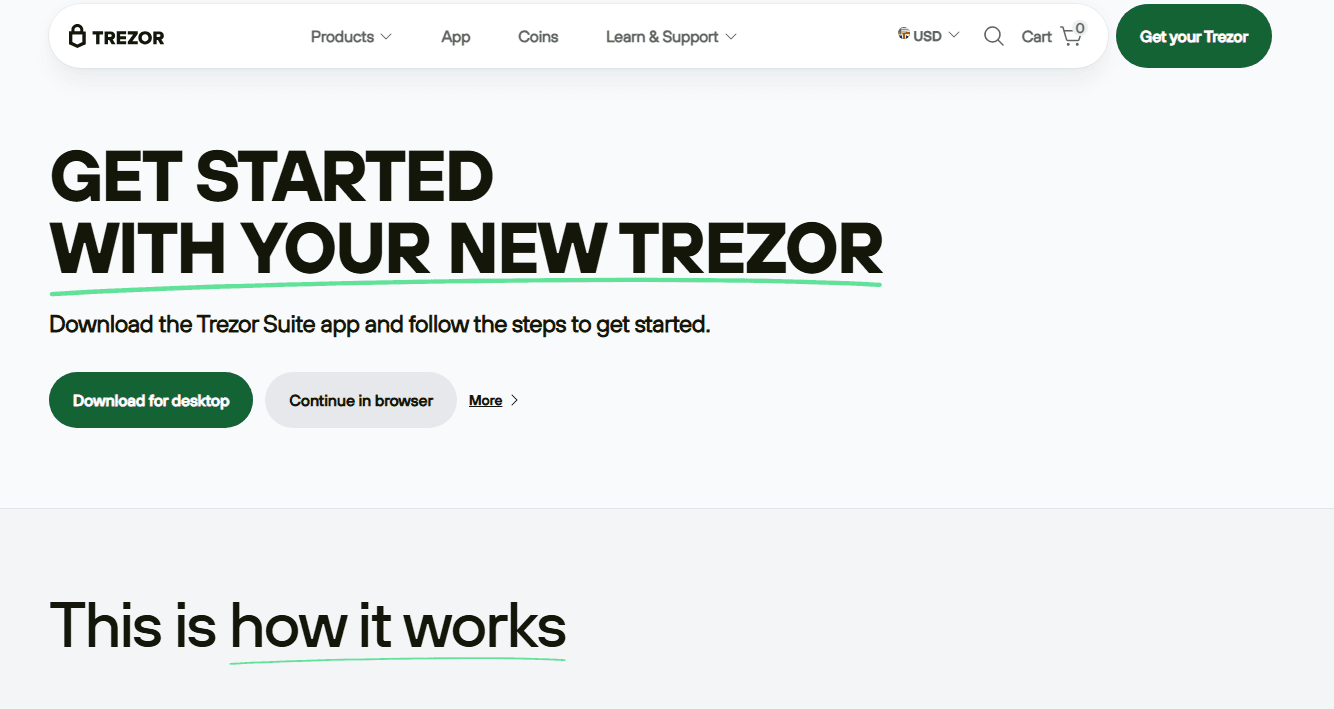
Trezor.io/start serves as the official starting point for setting up a Trezor hardware wallet. It provides step-by-step instructions for initializing the device, setting a PIN, securing the recovery seed, and managing cryptocurrency accounts safely. Following these guidelines ensures that your digital assets remain secure from the outset.
This article offers a comprehensive walkthrough of trezor.io/start, explaining each step in detail and providing tips for maintaining security over the long term.
What Is Trezor.io/Start?
Trezor.io/start is the official onboarding platform for new Trezor users. It guides individuals through the setup process, ensuring every step aligns with security best practices recommended by Trezor.
Through trezor.io/start, users can:
Initialize a Trezor device securely
Install Trezor management software
Generate and safely store a recovery seed
Set up a PIN for device protection
Add and manage cryptocurrency accounts
Learn essential security practices
Using trezor.io/start reduces the risk of errors and ensures that your wallet is configured safely from day one.
Why Trezor.io/Start Is Essential
Improper setup of a hardware wallet can result in permanent loss of cryptocurrency. Trezor.io/start is crucial because it:
Provides Verified Instructions: Ensures the device is initialized correctly.
Reduces Phishing Risk: Guides users away from fake setup instructions.
Teaches Security Practices: Helps users protect the recovery seed and PIN.
Verifies Device Authenticity: Confirms the Trezor hardware wallet is genuine.
Starting with trezor.io/start establishes a strong foundation for secure crypto management.
Preparing for Setup
Before beginning the setup, it’s important to prepare a secure environment. Sensitive information, such as the recovery seed, will be generated during this process.
Preparation tips include:
Choose a private, distraction-free location
Avoid using public or shared computers
Keep pen and paper ready to write down the recovery seed
Ensure no cameras or recording devices are present
Trezor.io/start emphasizes preparation to prevent mistakes and protect digital assets.
Step-by-Step Trezor Wallet Setup
Trezor.io/start guides users through a structured setup process designed for security.
Device Initialization
After powering on the Trezor wallet, users choose between setting up a new device or restoring an existing wallet. New users select “Create New Wallet.”
The device generates private keys internally. These keys never leave the hardware wallet, ensuring that sensitive information remains offline.
Creating a PIN Code
Users are prompted to create a PIN directly on the device. The PIN protects the wallet from unauthorized access in case the hardware wallet is lost or stolen. Each use of the device requires the PIN.
Trezor.io/start recommends choosing a PIN that is hard to guess and avoiding common patterns like sequential or repeated numbers.
Generating the Recovery Seed
The recovery seed is a series of words displayed on the device that serves as a backup. This seed allows users to restore access if the device is lost, damaged, or reset.
Users must write down the recovery seed exactly as displayed and store it offline in a secure location. Trezor.io/start strongly advises against storing it digitally or sharing it with anyone.
Installing Trezor Management Software
After device initialization, users are guided to install Trezor management software, such as the Trezor Suite. This software provides a secure interface for managing cryptocurrency accounts, viewing balances, and confirming transactions.
The software does not store private keys. All sensitive operations occur within the hardware wallet itself. Trezor.io/start ensures users install the correct software and understand how it communicates securely with the device.
Adding Cryptocurrency Accounts
Once the device is set up, users can add accounts for various cryptocurrencies. Each account corresponds to a specific blockchain and allows users to send, receive, and manage digital assets securely.
All addresses are generated and controlled by the Trezor hardware wallet. Transactions must be confirmed physically on the device, ensuring full user control. Trezor.io/start provides guidance on adding multiple accounts and managing a diverse crypto portfolio.
Security Best Practices
Trezor.io/start emphasizes the importance of following best practices for long-term security:
Never share the recovery seed
Store the recovery seed offline in a secure location
Verify transaction details directly on the device screen
Avoid using the device on public or compromised computers
Keep the firmware and management software updated
Ignore unsolicited messages claiming to provide support
Following these practices helps maintain the security and integrity of your wallet over time.
Common Setup Mistakes to Avoid
Even experienced users can make errors during setup. Trezor.io/start helps prevent common mistakes such as:
Storing the recovery seed digitally
Sharing the recovery seed with anyone
Using the wallet on public or insecure computers
Skipping firmware updates
Rushing through the setup without verifying device authenticity
Adhering to official instructions minimizes these risks and ensures secure wallet operation.
Restoring a Wallet Using Trezor.io/Start
Trezor.io/start also guides users through restoring an existing wallet. If a device is lost, stolen, or replaced, the recovery seed can be used to regain access to funds.
During restoration, the recovery seed is entered directly on the Trezor device. Accuracy is crucial, as words must be entered in the exact order to successfully restore the wallet. This process ensures that private keys remain secure and offline.
Is Trezor.io/Start Beginner-Friendly?
Yes, Trezor.io/start is designed to accommodate users of all experience levels. Beginners benefit from step-by-step instructions, visual confirmations on the device, and clear explanations of security practices.
Benefits for beginners include:
Guided setup process
Simple PIN and recovery seed creation
Reduced risk of mistakes
Advanced users benefit from multi-asset management, firmware control, and advanced security options. Trezor.io/start is suitable for all users.
Trezor.io/Start vs Third-Party Guides
Using unofficial setup guides can expose users to scams, phishing attempts, or incorrect instructions. Trezor.io/start provides verified, manufacturer-approved guidance to ensure wallet safety.
Advantages of using trezor.io/start:
Verified setup instructions
Device authentication and verification
Reduced risk of phishing or scams
Trusted security recommendations
Starting with the official guide ensures a secure foundation for all Trezor users.
Long-Term Benefits of Trezor.io/Start
Following trezor.io/start establishes good security habits from the beginning. Proper setup reduces the risk of loss, theft, or exposure to scams and creates a solid foundation for long-term crypto management.
Long-term benefits include:
Increased confidence in asset security
Improved understanding of self-custody
Reduced vulnerability to cyber threats
Full control and ownership of digital assets
Conclusion
Trezor.io/start is the essential first step for anyone using a Trezor hardware wallet. It provides clear, step-by-step instructions for initializing the device, creating a secure PIN, safeguarding the recovery seed, and managing cryptocurrency accounts.
By following trezor.io/start, users ensure that their wallets are properly set up and protected from day one. Whether you are a new cryptocurrency user or an experienced investor, starting with trezor.io/start provides a strong foundation for secure and confident asset management.